Contact us for a Free Quote today

HOA asphalt maintenance Indiana: if those words make your board groan, you are not alone. Asphalt is one of the largest recurring expenses in any HOA budget. From community parking lots and neighborhood roads to walking paths and cul-de-sacs, HOA asphalt maintenance Indiana in Indiana requires careful planning, smart budgeting, and the right professional partners. The good news is that a proactive approach can cut your long-term costs significantly while keeping your community looking its best.
This guide covers everything your HOA board needs to know about maintaining asphalt surfaces across your Indiana community, including what to prioritize, when to schedule work, how to budget for it, and how to avoid the most common (and expensive) mistakes.
Indiana’s climate is uniquely punishing on asphalt. The state experiences all four seasons with intensity, and each one brings its own set of challenges for HOA-managed surfaces.
Winter brings freezing temperatures, road salt, and the dreaded freeze-thaw cycle. Water seeps into small cracks during the day, freezes overnight, and expands. This process repeats dozens of times between November and March, turning hairline cracks into significant damage by spring. Communities in Indianapolis, Carmel, Fishers, and across Central Indiana see this pattern every single year. We work with HOA boards across Noblesville, Westfield, Zionsville and Whitestown.
Summer brings the opposite extreme. Triple-digit heat indexes soften asphalt surfaces, making them more vulnerable to heavy vehicle traffic and UV degradation. The sun breaks down the binder that holds asphalt together, causing it to become brittle and gray over time.
Spring and fall bring heavy rains that test drainage systems and expose any weaknesses in your pavement. Standing water is one of the fastest ways to destroy an asphalt surface, and Indiana sees plenty of it during transitional seasons.
The bottom line for HOA boards is simple: if you wait until pavement looks terrible to address it, you have already missed the window for cost-effective repairs. Reactive maintenance costs three to five times more than proactive maintenance over the life of your asphalt surfaces.
Before your board can build an effective maintenance plan, you need a clear picture of every asphalt surface your association is responsible for. Most Indiana HOA communities have more asphalt than board members realize.
These are typically the highest-traffic surfaces in your community. Visitor parking areas, clubhouse lots, and overflow parking see constant use and are often the first surfaces residents and prospective buyers notice. Parking lots also carry ADA compliance requirements that your board is legally responsible for meeting. If your community has not reviewed its ADA parking lot requirements recently, that should be a priority.
Private roads within your HOA are your association’s responsibility, not the city’s or county’s. This is one of the most misunderstood aspects of HOA management in Indiana. If your community has private roads, your board owns the maintenance, repair, and eventual replacement of those surfaces. That includes pothole repair, crack sealing, resurfacing, and snow damage remediation.
Many Indiana HOA communities feature paved walking trails, paths connecting buildings to parking areas, and asphalt sidewalks. These surfaces see heavy foot traffic, bicycle use, and exposure to lawn care equipment. They are also common tripping hazard areas, which creates liability concerns for your association.
In townhome and condominium communities, driveways may be shared or HOA-maintained. Access roads that connect your community to public streets are almost always the HOA’s responsibility.
Your board should maintain a simple inventory that documents every asphalt surface, its approximate square footage, its current condition, and when it was last serviced. This inventory becomes the foundation for budgeting and scheduling. A professional asphalt contractor can help you create this assessment if your board has not done one before.
Timing is everything when it comes to asphalt work in Indiana. The paving and sealcoating season runs roughly from late April through October, depending on weather conditions. Planning your maintenance around this window is critical.
Spring is assessment season. After winter, your board or property manager should walk every asphalt surface in the community and document new damage. Look for potholes, cracking, heaving, drainage issues, and faded line striping. This is also the time to get quotes from asphalt contractors for summer work.
Spring is ideal for crack sealing, which is your most cost-effective maintenance activity. Sealing cracks before they spread prevents water infiltration and stops small problems from becoming expensive ones. For Indiana HOA communities, crack sealing in spring addresses winter damage before summer heat makes it worse.
Summer is prime season for major asphalt work. Sealcoating, resurfacing, paving, and parking lot restriping all perform best in warm, dry conditions. If your community has sealcoating on the schedule, summer is the time to do it. Understanding how often to sealcoat helps your board plan and budget accurately.
This is also the best window for any ADA compliance upgrades, including accessible parking space adjustments, ramp installations, and signage updates.
Fall is your last chance for asphalt work before winter shuts down the season. Use this window for any remaining crack sealing, minor repairs, or sealcoating that did not get completed in summer. It is also a good time to clean out drainage systems and make sure water is flowing away from your asphalt surfaces before freeze-thaw season begins.
Your board should also do a pre-winter inspection to identify any signs that your parking lot needs attention before cold weather makes repairs impossible.
Winter is planning and budgeting season. Your board cannot do asphalt work during Indiana winters, but you can use this time to review bids, approve budgets, plan spring projects, and educate new board members on your maintenance strategy. If emergency pothole repairs are needed, infrared asphalt repair is one option that can work in cooler temperatures.
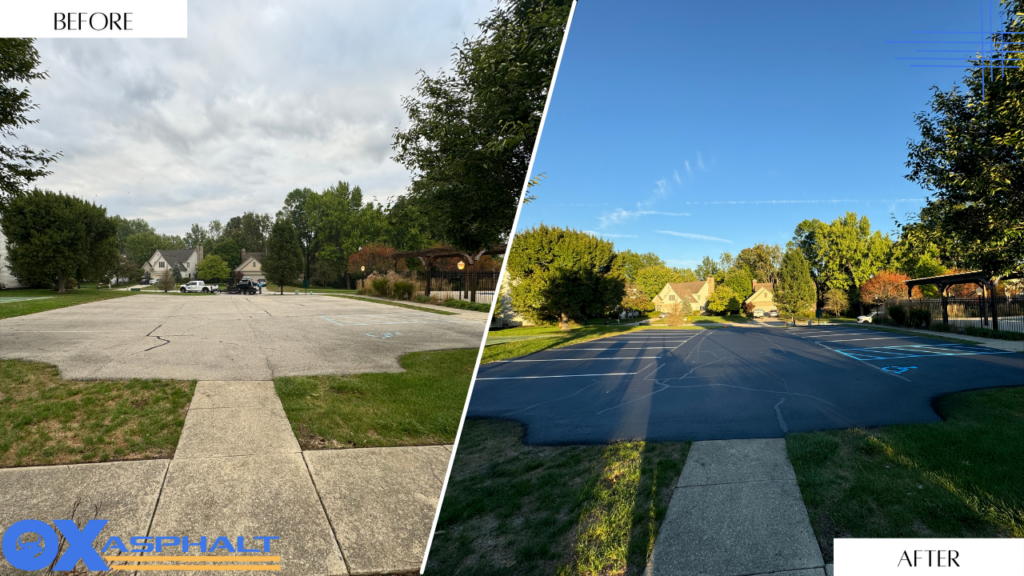
One of the biggest mistakes with HOA asphalt maintenance Indiana in Indiana is treating it as an occasional expense rather than an ongoing budget line item. When boards skip years of maintenance to save money, they end up facing a much larger bill when surfaces deteriorate to the point of needing full replacement.
Every well-managed HOA should have a reserve study that accounts for the expected lifespan and replacement cost of all major community assets, including asphalt. A properly funded reserve means your community is setting aside money every year so that when major paving work is needed, the funds are available without a special assessment.
For Indiana HOA communities, a general guideline is to budget between $0.15 and $0.35 per square foot per year for asphalt maintenance reserves. This varies based on the age and condition of your surfaces, traffic volume, and whether your community has private roads.
Not all asphalt work costs the same, and understanding the cost hierarchy helps your board make smarter spending decisions.
Crack sealing is the least expensive maintenance activity and delivers the highest return on investment. Sealing cracks early prevents water from penetrating the base layer, which is where the real damage happens. For a typical HOA parking lot, crack sealing costs a fraction of what sealcoating costs.
Sealcoating protects the entire surface from UV damage, water, and chemical spills. It extends the life of your asphalt by years and gives surfaces a fresh, well-maintained appearance. Most Indiana HOA communities should sealcoat every two to three years depending on traffic and exposure.
Patching and repairs address localized damage like potholes, utility cuts, and alligator cracking. These are more expensive per square foot than preventive maintenance but far less expensive than resurfacing.
Resurfacing (overlay) adds a new layer of asphalt over the existing surface. This is a major capital expense but extends the life of the pavement by 10 to 15 years when done on a properly prepared base.
Full replacement is the most expensive option and is only necessary when the base has failed. A well-maintained asphalt surface in Indiana can last 20 to 30 years before full replacement is needed.
Your board should get a minimum of three bids for any asphalt project over $5,000. When comparing bids, look beyond the bottom-line price. Evaluate the scope of work, materials specified, warranty terms, timeline, and the contractor’s experience with HOA communities specifically.
HOA projects have unique requirements that residential or simple commercial jobs do not. Your contractor needs to understand phased work schedules (you cannot close every parking space at once), resident communication needs, board approval processes, and the importance of minimizing disruption to the community.
Knowing what to watch for helps your board catch problems early when they are cheapest to fix.
Cracks are the most common asphalt problem in Indiana, and they come in several forms. Linear cracks run along the length of the pavement and are usually caused by aging or thermal contraction. Block cracking creates a grid-like pattern and indicates the asphalt binder is drying out. Alligator cracking (a pattern that looks like reptile skin) is the most serious, as it signals base failure beneath the surface.
Early-stage cracking is easily addressed with professional crack sealing. Advanced cracking, especially alligator cracking, may require patching or resurfacing.
Potholes form when water penetrates cracked asphalt, weakens the base, and the surface collapses under traffic. In Indiana, potholes are most common in late winter and early spring after months of freeze-thaw cycling. For HOA communities, potholes on private roads and parking lots are a direct liability risk, as residents or visitors who damage their vehicles or trip on a pothole may hold the association responsible.
If you see puddles sitting on your asphalt hours after rain stops, you have a drainage problem. Standing water accelerates every other type of asphalt damage and can undermine the base layer. Common causes include clogged drains, settled pavement, and poor grading. Your board should address drainage issues before investing in surface treatments like sealcoating, otherwise you are protecting a surface that is being destroyed from underneath.
Gray, washed-out asphalt is not just an aesthetic issue. It indicates that UV radiation has broken down the asphalt binder, making the surface brittle and prone to cracking. Sealcoating restores the dark appearance and, more importantly, provides a protective barrier against further oxidation.
Parking lot lines, fire lanes, handicap markings, and directional arrows all fade over time. Faded striping creates confusion, reduces parking efficiency, and can put your community out of ADA compliance. Most Indiana HOA communities need restriping every one to two years depending on traffic volume and sun exposure.
Selecting the right contractor is one of the most impactful decisions your board will make. A good contractor relationship can save your community thousands of dollars per year through proper maintenance planning and quality workmanship.
Experience with HOA and multi-property communities. HOA work requires coordination, communication, and phased scheduling that single-property jobs do not. Ask contractors specifically about their HOA experience.
Proper licensing and insurance. Your contractor should carry general liability insurance, workers’ compensation, and any licenses required in your municipality. Ask for certificates of insurance naming your HOA as an additional insured.
References from similar communities. Ask for references from other Indiana HOA communities, not just commercial or residential clients. The logistics and expectations are different.
Written proposals with detailed scope. A professional bid should specify square footage, materials, preparation steps, application methods, cure times, and warranty terms. Vague bids that say “sealcoat parking lot” without detail are a red flag.
A maintenance-first approach. The best contractors will help your board develop a multi-year maintenance plan rather than just quoting one-time projects. A contractor who recommends crack sealing now instead of a full resurface is likely being honest about what your community actually needs.
Be cautious of contractors who show up unsolicited with “leftover material” at a discount. Be wary of anyone who cannot provide proof of insurance, pressures your board for an immediate decision, or quotes significantly below every other bidder. In the asphalt industry, unusually low prices almost always mean corners are being cut on materials or preparation.
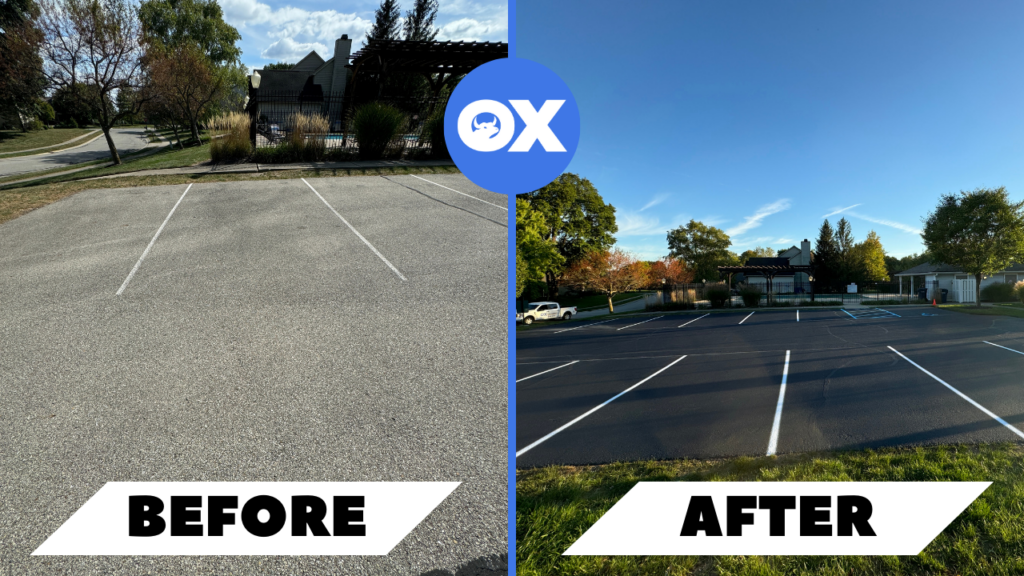
The most effective approach to HOA asphalt maintenance Indiana in Indiana is a rolling three-to-five-year plan that schedules work across your community in phases. This approach spreads costs over multiple budget years, minimizes disruption to residents, and ensures every surface gets attention on a regular cycle.
Start with a comprehensive assessment of every asphalt surface. Prioritize any safety hazards (potholes on roads, trip hazards on paths, ADA deficiencies in parking lots). Address urgent repairs immediately and create your baseline condition report.
With your assessment complete, begin systematic crack sealing and sealcoating across the community. Start with the highest-traffic and most visible surfaces. This is also the year to address any drainage issues identified in the assessment.
Continue rotating through maintenance on remaining surfaces. If the assessment identified surfaces nearing end-of-life, begin planning and budgeting for resurfacing or replacement in upcoming years.
Execute any major capital projects (resurfacing, repaving) that were planned and budgeted. Reassess all surfaces to update condition ratings. Restart the cycle with updated priorities.
This approach transforms asphalt maintenance from a reactive headache into a predictable, manageable budget item. It also demonstrates to homeowners that the board is being responsible stewards of association funds.
Asphalt maintenance projects can be disruptive, and homeowners who do not understand the purpose of the work often push back on spending. Proactive communication prevents complaints and builds support for your maintenance strategy.
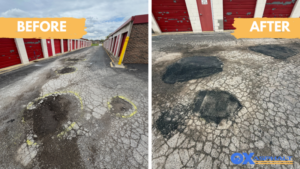
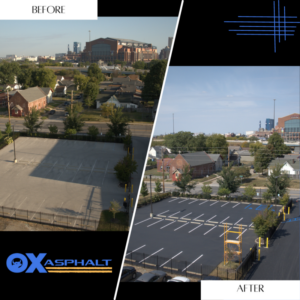
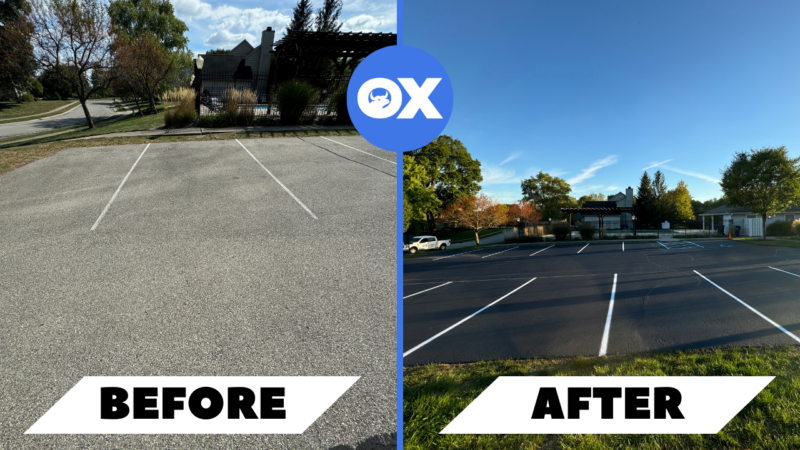
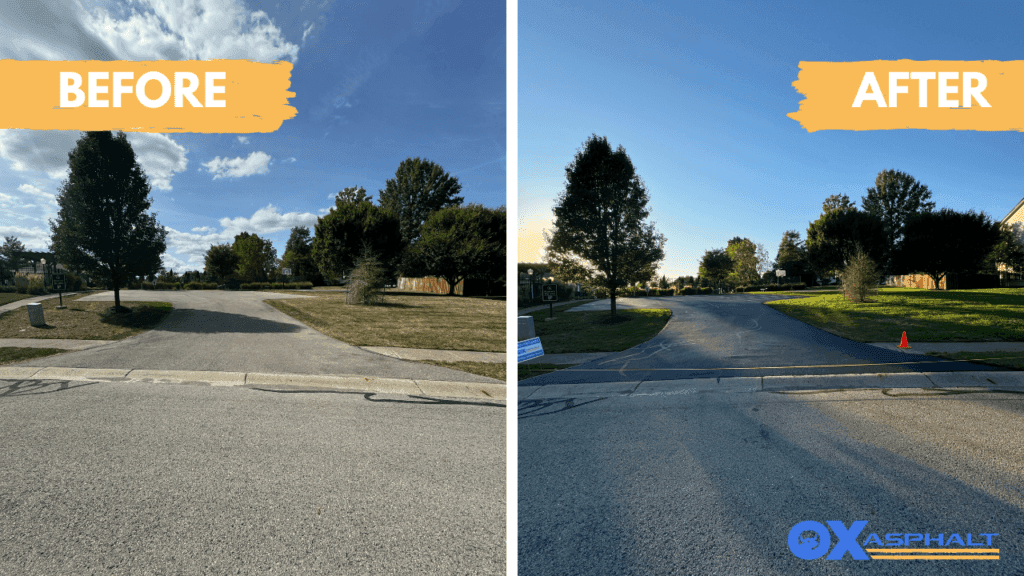
Before any project, notify residents in writing about what work is being done, why it is necessary, what areas will be affected, what dates and times to expect closures, and where to park during the work. After the project, share before-and-after photos and explain how the work protects property values and prevents more expensive future repairs.
When budget season arrives, present your maintenance plan alongside the cost of inaction. Homeowners are much more supportive of a $15,000 crack sealing and sealcoating project when they understand the alternative is a $150,000 repaving project in three years.