How Often Should You Sealcoat Your Parking Lot?

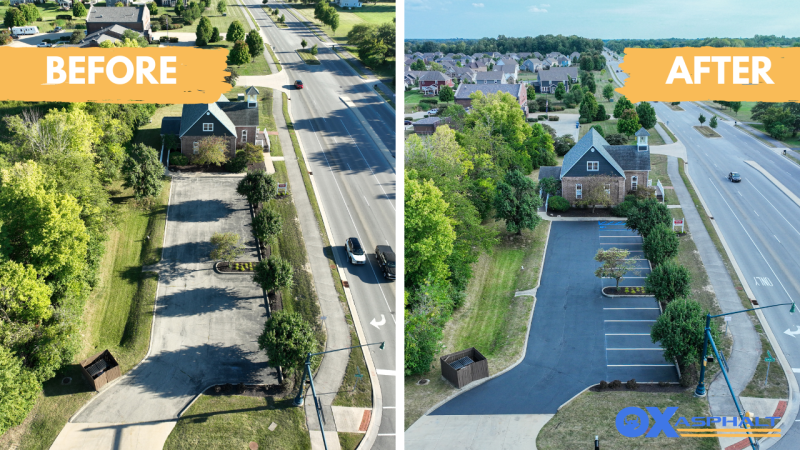
Sealcoat parking lot before and after in Noblesville Indiana

Your parking lot is more than just a place to park – it’s the first impression customers have of your business. A faded, cracked surface screams “neglected,” while a rich, black parking lot says “we care about the details.” Sealcoating is your parking lot’s best defense against the elements, and knowing when to apply it can save you thousands in repairs.

But here’s the question every property owner asks: How often should you actually sealcoat? The answer depends on several factors we’ll break down below.

The General Rule: Every 2-3 Years

For most commercial parking lots in good condition, sealcoating every 2 to 3 years provides optimal protection. This schedule keeps your pavement sealed against water, UV rays, and chemical damage before the previous coat wears through.

However, this is just a starting point. Your specific timeline depends on how hard your lot works.

High-Traffic Lots Need More Frequent Protection

Not all parking lots are created equal. A busy retail center or restaurant sees far more wear than a small office complex. High-traffic locations may need sealcoating every 12-18 months to maintain adequate protection.

What to look for:

  • Constant vehicle traffic throughout the day
  • Heavy vehicles like delivery trucks or buses
  • High turnover (customers coming and going frequently)
  • Visible wear patterns in driving lanes

The fix: If your lot falls into this category, consider an annual inspection to assess whether early sealcoating makes sense.

Weather Takes a Toll

Here in Indianapolis, our asphalt faces a brutal cycle. Freeze-thaw cycles are the silent killer of parking lots. Water seeps into tiny cracks, freezes overnight, expands, and forces those cracks wider. Repeat this dozens of times each winter, and small issues become major repairs.

Summer brings its own challenges – UV radiation oxidizes unprotected asphalt, making it brittle and prone to cracking.

What to look for:

  • Surface color changing from black to gray
  • Fine cracks appearing after winter
  • Rough, dry texture on the surface

The fix: Sealcoating before winter creates a waterproof barrier that prevents freeze-thaw damage.

Chemical Exposure Accelerates Wear

Oil, gasoline, and automotive fluids are asphalt’s enemies. These chemicals dissolve the binding agents that hold your pavement together.

What to look for:

  • Dark stains in parking spaces
  • Soft or spongy areas in the pavement

The fix: Lots with heavy chemical exposure may need sealcoating every 1-2 years.

New Asphalt? Wait Before Sealing

If you’ve just installed a new parking lot, don’t rush to sealcoat. Fresh asphalt needs 6-12 months to cure properly. Sealing too early can damage your new pavement.

The ROI of Regular Sealcoating

A typical sealcoating costs a fraction of what you’d pay for major repairs. For a 30,000 square foot lot, consistent sealcoating can save over $100,000 over 15 years.

Signs Your Lot Needs Sealcoating Now

  • Color change: Fresh asphalt is deep black. Gray means oxidation.
  • Fine cracks: Surface cracking shows the top layer is drying out.
  • Rough texture: Visible aggregate means binding agents are failing.
  • Fading striping: Time to sealcoat before repainting lines.

Protect Your Investment

A well-maintained parking lot does more than look good. It keeps customers coming back, reduces liability risks, and adds years to your pavement’s lifespan. The cost of sealcoating is a fraction of what you’d spend on repairs or replacement down the road.

Frequently Asked Questions
About Parking Lot Sealcoating

Most commercial parking lots in Indianapolis should be sealcoated every 2 to 3 years. The exact frequency depends on traffic volume, sun exposure, and the condition of your pavement. High-traffic lots like retail centers or medical offices may need sealcoating closer to every 2 years, while lower-traffic lots can often go 3 years between applications.
The best time to sealcoat a parking lot in Indianapolis is between May and October, when temperatures are consistently above 50 degrees Fahrenheit and there is no rain in the forecast for at least 24 hours. These conditions allow the sealcoat to cure properly. Scheduling your sealcoating project in late spring or early summer gives your pavement full protection before the hottest months of UV exposure.
Sealcoating typically takes 24 to 48 hours to dry enough for vehicle traffic, depending on temperature and humidity. On warm, sunny days in Indianapolis, you may see faster cure times. Most contractors recommend keeping vehicles off the surface for at least 24 hours to ensure a strong, even finish.
No. Sealcoating is a protective coating that shields your asphalt from water, UV rays, and chemical spills, but it does not fill cracks or repair potholes. Any existing cracks should be sealed with hot-pour crack sealant before the sealcoat is applied. Potholes need to be patched first. Applying sealcoat over unrepaired damage will not solve the underlying problem and can actually trap moisture beneath the surface.
The cost to sealcoat a parking lot in Indiana depends on the size of the lot, the condition of the surface, and whether any prep work like crack sealing or patching is needed first. Sealcoating is one of the most affordable pavement maintenance services available and typically costs a fraction of what resurfacing or replacement would run. Contact Ox Asphalt at 855-697-2833 for a free assessment of your property.

Your Parking Lot Is Losing 10% of Its Lifespan Every Year Without Sealcoating

A properly sealed lot lasts 25+ years. An unsealed one? Maybe 15.
That’s thousands of dollars in early replacement costs.
We’ll inspect your lot for free and tell you exactly how many good years you have left.